
Design Thinking in Modern Product Development
Understanding the principles of human-centered design and how it drives successful product innovation.
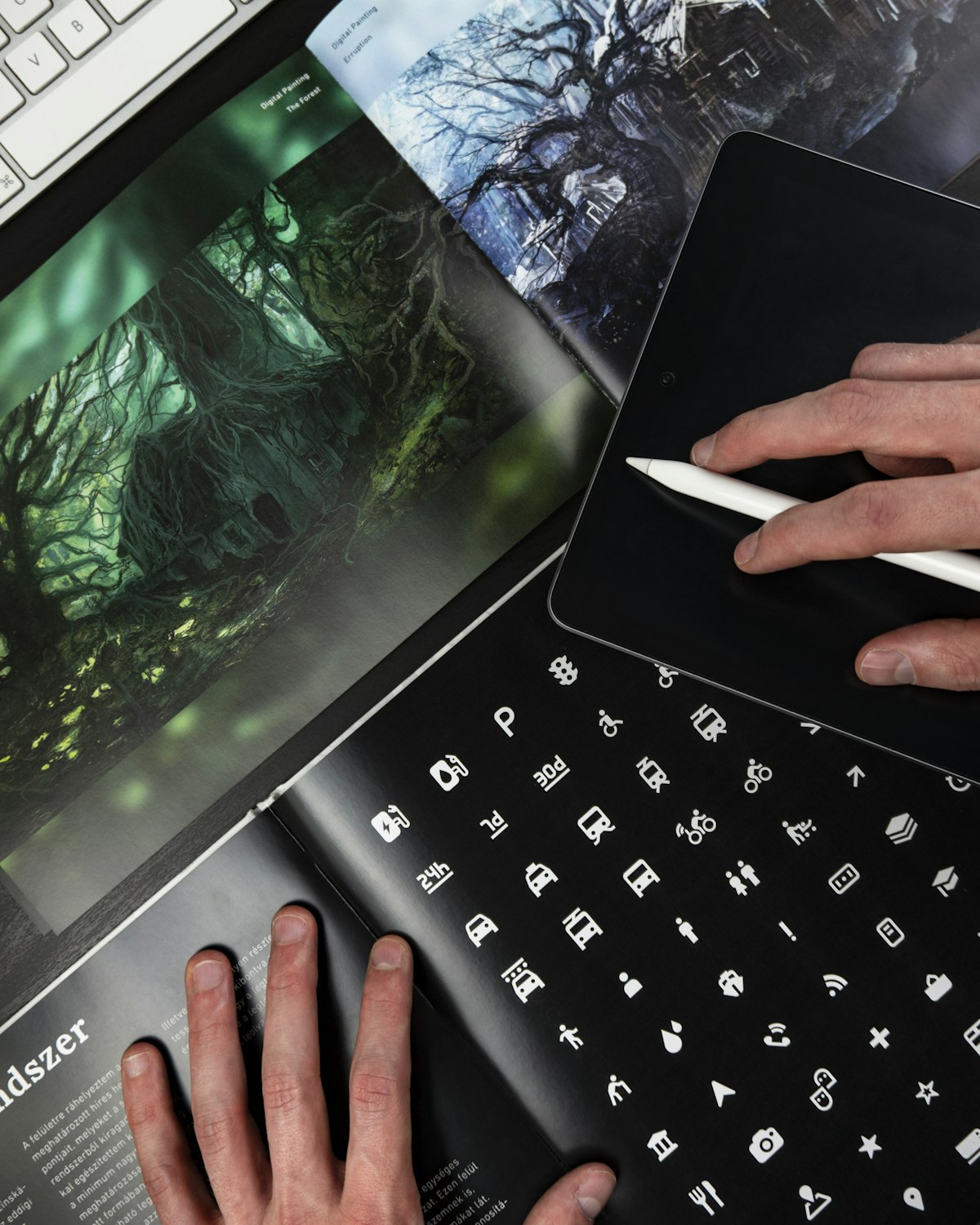
Design thinking has graduated from a workshop exercise into a working discipline. The teams that ship the products people actually keep using treat it less as a creative ritual and more as a way to stay honest about who they are building for.
Start With the Person, Not the Feature
Human-centered design begins with a deceptively simple commitment: understand the person before you design the solution. That means watching how people actually behave rather than asking what they say they want. The gap between the two is where most product failures live.
Good discovery work resists the urge to jump to answers. It maps the user's context, their constraints, and the moment of frustration that brought them to your product in the first place. A feature that solves the wrong problem elegantly is still the wrong feature.
Diverge Before You Converge
Strong product teams deliberately widen the field of possible solutions before narrowing it. Generating many rough ideas is cheaper than defending one polished one, and it protects the team from anchoring on the first plausible direction. The goal of this phase is quantity and range, not commitment.
Convergence then becomes a matter of evidence rather than opinion. By the time a team commits to a direction, it should be able to explain why the alternatives were set aside. That paper trail is what makes later decisions defensible when priorities shift.
Prototype to Learn, Not to Impress
A prototype is an argument made tangible. Its job is to surface the riskiest assumption as quickly and cheaply as possible. A rough clickable flow that answers a real question beats a beautiful mockup that only confirms what everyone already believed.
The discipline here is to test the thing you are least sure about, not the thing that is easiest to build. When a prototype fails, that failure is information delivered early, while it is still inexpensive to act on.
Make It a Habit, Not a Phase
The teams that get the most out of design thinking stop treating it as a stage at the start of a project. They fold its instincts—observe, question, prototype, test—into the everyday cadence of building. Each release becomes another round of learning rather than a final verdict.
Done well, the method fades into the background. What remains is a team that stays curious about its users, comfortable with uncertainty, and willing to be wrong early enough to do something about it.